
Type 1 dealingCore route
Type 1 dealing is the anchor permission SKY7 maps for Hong Kong. The work starts by matching the product, client flow and revenue model to the regulator's activity perimeter.
- Lead
- 10–14 mo
- Capital
- HKD 5M+
- Fit
- Primary
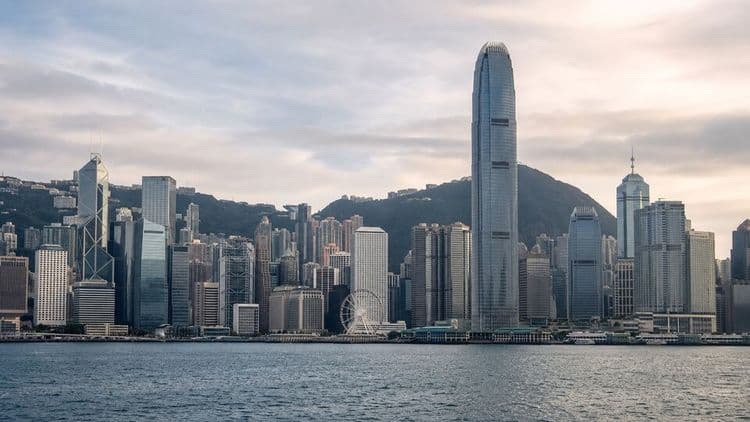
SFC route for securities and virtual asset trading platform operators targeting Hong Kong and regional markets. The SFC states that centralised virtual asset trading platforms operating in Hong Kong or actively marketing to Hong Kong investors must be licensed and regulated. It maps VATPs across the SFO Type 1/Type 7 regime and the AMLO virtual-asset service regime. SKY7 treats the route as a working legal and operational file: permissions, capital, substance, banking and regulator questions are mapped before the filing strategy is fixed.
Hong Kong should be assessed against the live regulator source, not only a headline licence name.
Hong Kong is a financial-services authorisation route in APAC. The working file starts with Type 1–9 · VATP, SFC, and the practical evidence a bank, counterparty or supervisor will expect after approval.
The SFC states that centralised virtual asset trading platforms operating in Hong Kong or actively marketing to Hong Kong investors must be licensed and regulated. It maps VATPs across the SFO Type 1/Type 7 regime and the AMLO virtual-asset service regime.
The route is strongest when the team can explain ownership, source of funds, governance, AML/CFT controls, technology vendors and launch volumes in one consistent story. SKY7 uses the first pass to decide whether Hong Kong should be primary, backup or removed from the shortlist.
SKY7 separates the headline route from the permissions that actually matter for product launch, banking and investor diligence.
Type 1 dealing is the anchor permission SKY7 maps for Hong Kong. The work starts by matching the product, client flow and revenue model to the regulator's activity perimeter.
Type 7 automated trading / VATP is checked against ownership, governance, AML/CFT, capital and banking expectations so the filing tells one consistent story.
SKY7 converts type 4/9 advisory and asset management where relevant into an evidence pack: application forms, policy set, role map, financial model, local substance and response plan.
The capital number is only one line in the file. Regulators and banks also look for runway, safeguards, governance and credible operating substance.
| Item | Planning range | Working note | Owner |
|---|---|---|---|
| Primary routeSFC | Type 1–9 · VATP | SFC licensing for Type 1–9 activities and VATP operators under SFO/AMLO where applicable. | SKY7 |
| Paid-up capitalHeadline marker | HKD 5M+ | May vary by category, volume, client-money model, risk profile and current local interpretation. | Client |
| Operating runwayBudget evidence | 6–12 mo | A realistic runway supports regulator confidence and bank onboarding. | Client CFO |
| Governance packFit and proper | Role-based | Directors, MLRO/compliance, risk owner, outsourcing owner and escalation lines need to match the model. | Joint |
| Source packResearch | Official sources | SFC VATP operators · SFC licensing handbook | SKY7 |
The 10–14 mo marker is a planning window. The live calendar depends on client readiness, source checks, regulator queue and quality of responses.
Confirm the live regulator position for Hong Kong, the activity perimeter and whether the route should be primary, fallback or avoided.
Confirm ownership, directors, compliance roles, local presence, bank narrative and fit-and-proper evidence.
Draft the AML/CFT, risk, safeguarding/client-asset, outsourcing, complaints and technology controls around the actual product.
Prepare regulator forms, business plan, financial model and supporting evidence for SFC.
Run a query tracker, refresh documents, collect additional evidence and keep management answers consistent.
Convert the authorisation into reporting calendars, control owners, registers, renewal triggers and banking follow-through.
Hong Kong should be approached with a substance plan that can survive regulator questions and later bank diligence.
Board and senior management
Define decision rights, reporting lines, committee cadence and escalation routes before the application is filed.
AML/CFT and sanctions
Translate customer journeys into onboarding, monitoring, screening, suspicious-activity and recordkeeping procedures.
People, premises, vendors
Show where the regulated work happens, which vendors are outsourced and how the local team controls critical functions.
Capital and runway
Tie capital, revenue, cost base and transaction assumptions to the actual regulated permissions and first-year operating plan.
The right answer is often a primary route plus a fallback. These comparison cards use the same route-planning fields so the trade-off stays visible.
Comparison uses current route metadata and source-checked profile notes; it is not a legal ranking and should be refreshed before client-facing use.
The engagement turns route choice into a document set, decision log and handover pack that the client can keep operating after approval.
A decision memo covering Type 1–9 · VATP, source links, regulator expectations, capital marker, timing and go/no-go issues.
A practical checklist of missing documents, owners, approvals and evidence required before drafting starts.
Document map, ownership chart, regulated activity perimeter, compliance role map and filing sequence.
Policies and procedures adapted to the product, customers, transaction flow, vendors and technology stack.
Query tracker, revised documents, evidence bundles and weekly status notes during review.
Post-approval obligations, reporting dates, control owners, renewal triggers and banking follow-through.
These answers keep the pre-filing conversation grounded while SKY7 confirms the live rulebook and the client-specific risk profile.
In application · pre-file review. Availability should still be checked at the time of instruction because regulator appetite, category restrictions, queue length and transitional rules can change.
SFC VATP operators: https://www.sfc.hk/en/Rules-and-standards/Virtual-assets/Virtual-asset-trading-platforms-operators | SFC licensing handbook: https://www.sfc.hk/-/media/EN/assets/components/codes/files-current/web/guidelines/licensing-handbook/20240930--LIC-Handbook-202410-Eng-clean.pdf
The indicative planning window is 10–14 mo. A ready file can move faster; weak ownership evidence, unclear source of funds, missing policies or regulator questions can extend the calendar.
The current indicative assumption is HKD 5M+. Final capital treatment depends on the exact permissions, activity volume, safeguarding/client-asset model and local interpretation.
The current route scope is Type 1–9 · VATP. SKY7 confirms whether each product feature is regulated, exempt, prohibited or better placed in another jurisdiction.
Where clean shelf or licensed inventory exists, SKY7 checks history, ownership, filings, bankability and transfer mechanics before recommending a handover.
Usually some level of real substance is expected. The exact requirement depends on the permission, risk profile and regulator; it is scoped before filing.
Product description, ownership chart, source-of-funds evidence, management CVs, transaction flows, target countries, vendor stack and any existing policy drafts.
Send SKY7 the product model, target customers and launch timing. We will confirm whether Hong Kong should be primary, backup or removed from the shortlist.